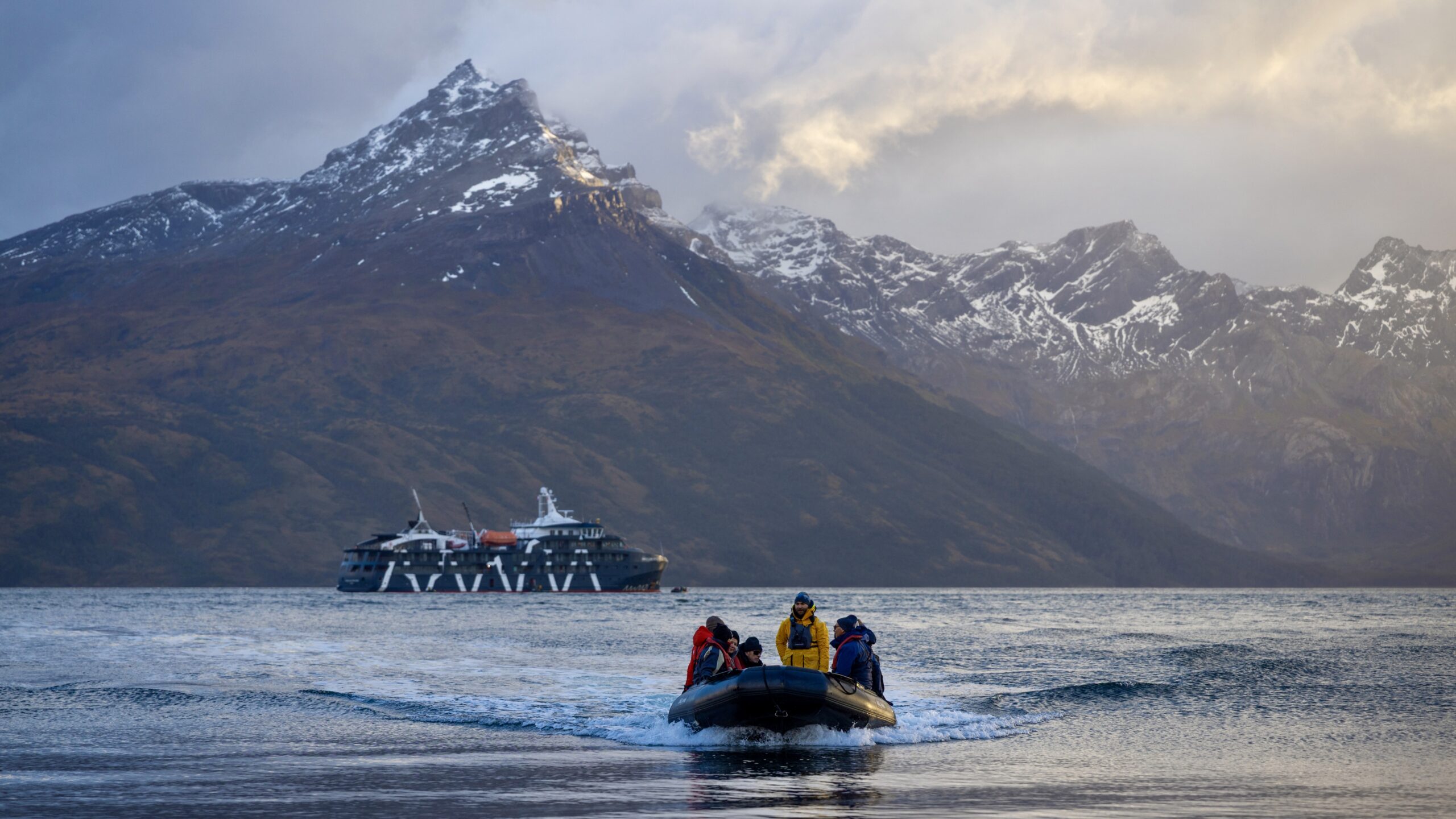
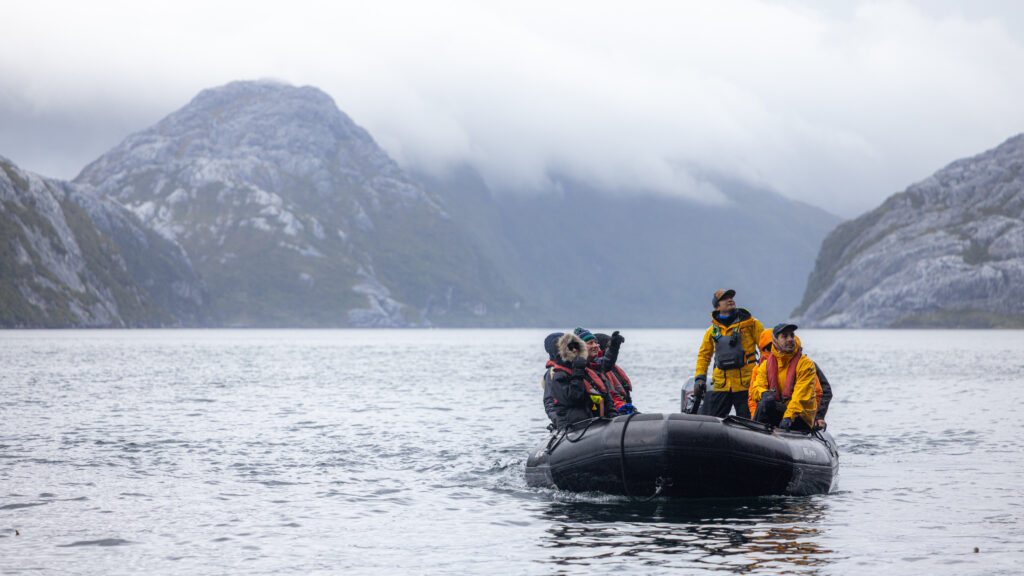
Patagonia feels less like a destination and more like a force of nature. It is rugged, weather-driven, and impossible to fully control, which is exactly what makes it so memorable. Our Antarctica21 Patagonia cruise began with the feeling that we were heading somewhere far beyond the usual travel circuit. From Ushuaia into the Chilean fjords, the trip was less about polished ports and more about glaciers, wildlife, small villages, zodiac outings, and landscapes that reminded us how wild this part of the world still is.
The weather changes by the hour. Glaciers crack without warning. Tiny villages appear out of nowhere along the coastline. One moment you’re standing beside moss-covered forests dripping with rainwater, and the next you’re bundled into a zodiac boat watching chunks of blue ice collapse into the sea like thunder.
This trip through Argentina and Chile took us from Buenos Aires to Ushuaia, through the Chilean fjords aboard an Antarctica21 expedition cruise, and eventually north into Chile’s Lake District near Puerto Varas.
It was one of the most immersive and unpredictable trips I’ve ever taken.
Not because everything went perfectly. In fact, expedition travel is the complete opposite of polished luxury travel. Weather changes plans constantly. Excursions can be canceled. Seas can become rough overnight. You spend more time in waterproof layers than nice outfits.
But that’s also exactly why this kind of travel stays with people.
Why We Chose Antarctica21 for Patagonia
When most people hear the word “cruise,” they picture giant ships, entertainment schedules, crowded buffets, and tourist ports.
This was nothing like that.
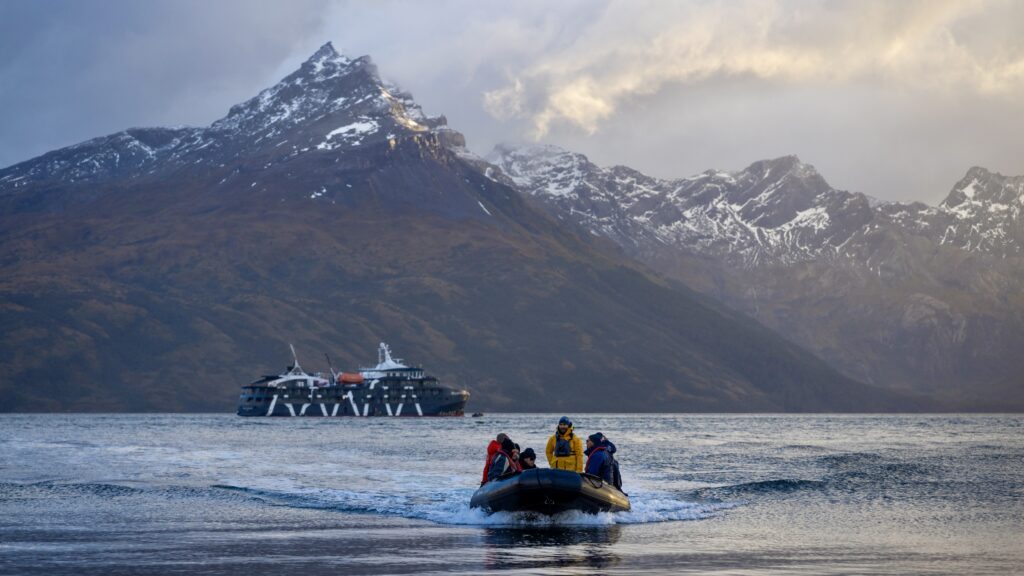
Our Antarctica21 expedition ship carried only around 83 to 85 passengers, despite holding closer to 96. The atmosphere onboard felt intimate, active, and heavily centered around the environment rather than onboard luxury.
And that distinction matters.
This is expedition travel.
The luxury isn’t chandeliers or elaborate productions. The luxury is access.
Access to glaciers most travelers never see.
Access to remote fjords without roads.
Access to wildlife and landscapes that still feel largely untouched.
The ship itself was small and functional:
- One restaurant
- A lounge area
- A small gym and sauna
- A science lab
- Zodiac loading platforms
That’s it.
That simplicity worked because nobody came onboard to stay inside.
Buenos Aires Was More European Than I Expected

I’ll admit it. I expected Buenos Aires to simply be our gateway into Patagonia.
Instead, it surprised me.
The city feels sprawling and layered, almost more European than South American at times. Wide boulevards, old architecture, sidewalk cafés, late dinners, bookstores, and neighborhoods that feel entirely different from one another.
We stayed at the Park Hyatt Buenos Aires before heading south and spent the day touring the city by private car.
At first, I wasn’t sure how a driving tour would work because I normally prefer walking cities. But Buenos Aires is enormous, and having a guide efficiently move us from neighborhood to neighborhood ended up being the best possible use of limited time.
Highlights included:
- La Boca
- Recoleta Cemetery
- San Telmo Market
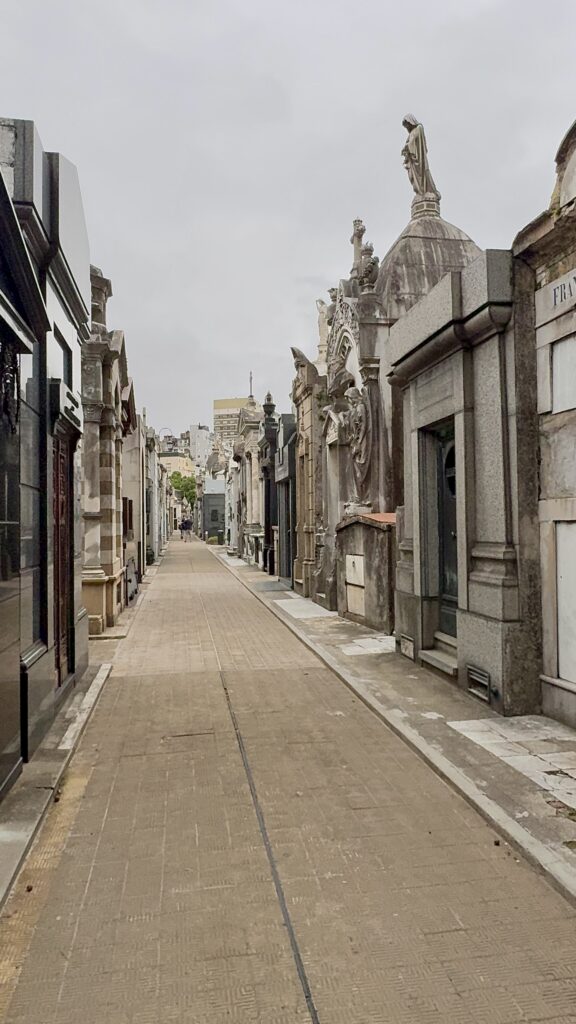
Recoleta Cemetery especially stood out. It felt less like a cemetery and more like a miniature city filled with elaborate mausoleums stacked on multiple levels.
One thing worth noting is that Buenos Aires is spread out similarly to Paris. Having a driver made the experience significantly easier and less exhausting.
La Bandada Was One of the Most Unexpected Highlights

Before Patagonia, we spent time at La Bandada, a tiny estancia about an hour and a half outside Buenos Aires.
This became one of my favorite parts of the trip.
The property was once a private summer home owned by a wealthy Argentine family before becoming a small hotel with only a handful of rooms.
It felt personal rather than commercial.
Farm dogs wandered over during lunch. A peacock casually lived near our courtyard. Gauchos guided us on horseback rides through the property at sunset while the weather cooled and the sky turned gold around us.
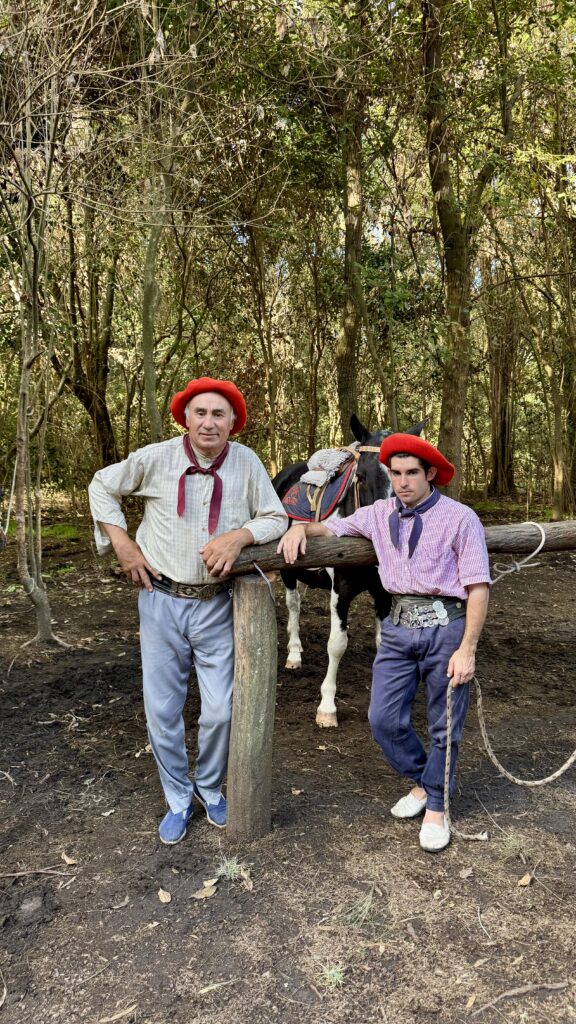
This wasn’t polished luxury in the traditional sense. It felt slower and more authentic than that.
One thing to note for travelers: only one room had air conditioning during our stay, which thankfully ended up being ours. South America’s fall temperatures made things comfortable overall, but this is worth knowing ahead of time if traveling earlier in the season.
The food here was incredible. Long lunches, homemade meals, local wine, and the kind of relaxed pacing that forces you to slow down.
After long flights, it was exactly the reset we needed before heading deeper into Patagonia.
Flying Into Ushuaia Truly Feels Like the End of the World
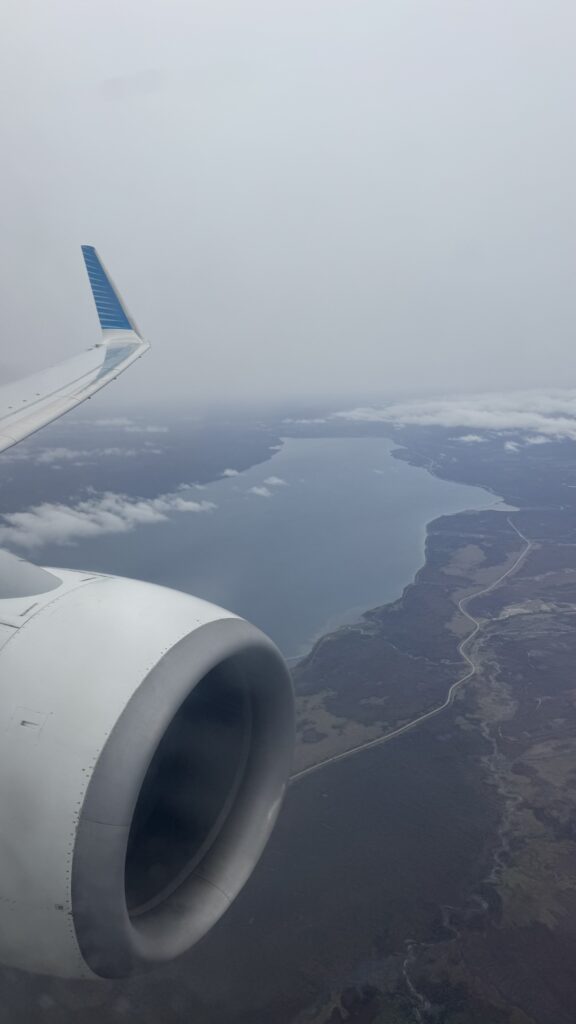
Flying into Ushuaia feels surreal.
Snow-covered mountains rise directly from the sea, and the landing strip itself feels tiny and dramatic surrounded by water.
We flew Aerolineas Argentinas domestically from Buenos Aires. One logistical note worth mentioning: definitely arrive early. The airport itself was easy to navigate, but check-in areas were divided by regions within Argentina, which caused some confusion initially.
We stayed at Arakur Ushuaia Resort & Spa, which I would absolutely recommend.
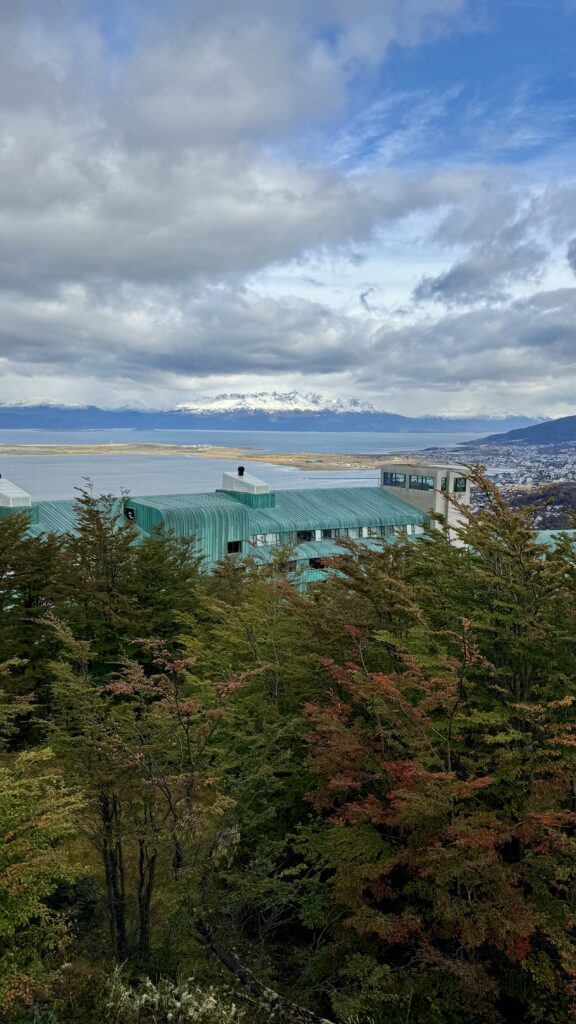
The hotel sits high above the city overlooking the Beagle Channel, and the views barely feel real at times.
It was fall during our visit, and the leaves were changing while snow-covered peaks towered behind them. It created this strange contrast between autumn and winter that felt uniquely Patagonian.
One thing I appreciated about Arakur was that it balanced access to nature with comfort. You could hike directly from the property while still easily reaching town.
Esmeralda Lagoon Was Beautiful But Harder Than Expected

The Esmeralda Lagoon hike is one of the most recommended hikes near Ushuaia, and overall I’m glad we did it.
But I also think travelers should have realistic expectations.
The trail was extremely muddy during our visit. Not mildly muddy. Legitimately slippery and difficult in sections.
The hike itself is roughly 10 miles roundtrip with no loop, meaning you return the same way you came in.

The scenery surrounding the lagoon was stunning, especially with Patagonia’s fall colors. The lagoon itself felt slightly underwhelming compared to the effort required to reach it.
And I actually think that honesty matters because most Patagonia blogs oversell everything.
The takeaway?
Bring waterproof hiking boots.
Prepare for mud.
Go for the experience and scenery overall, not just the final viewpoint.
What Expedition Cruising Through Patagonia Is Actually Like

This is where the trip became completely different from traditional travel.
Life onboard quickly fell into a rhythm:
- Early breakfast
- Morning zodiac excursions or landings
- Lunch onboard
- Afternoon excursions
- Daily expedition briefings
- Lectures from naturalists and historians
- Dinner around 7:30 PM
- Exhaustion
Expedition cruising is far more physically tiring than many people expect.
You are constantly layering clothing, getting in and out of zodiacs, adjusting plans for weather, and spending long days outdoors in cold conditions.
But that’s also what makes it immersive.
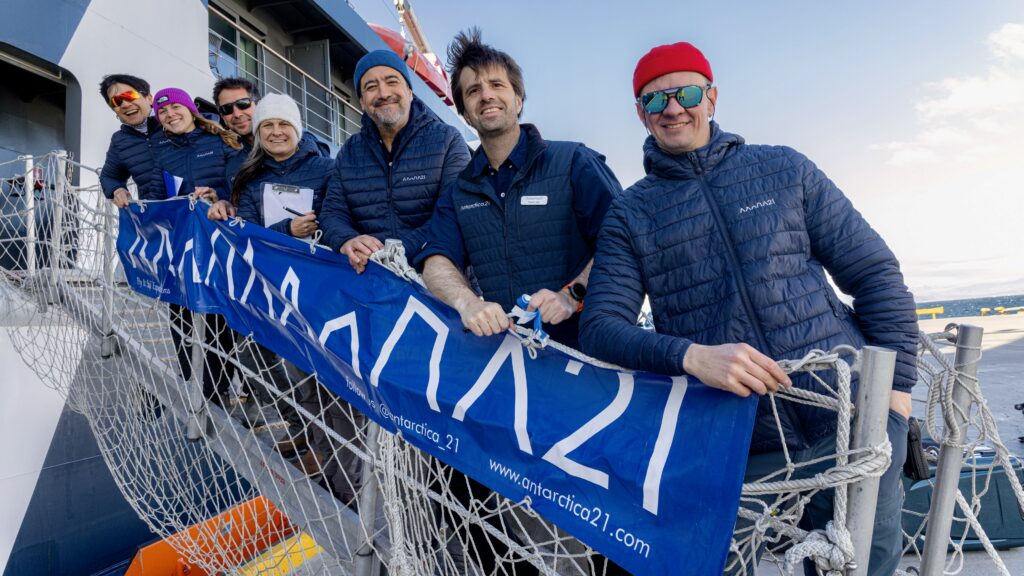
Weather dictated everything.
Some excursions were canceled because of wind conditions. Kayaking schedules shifted. Seas became rough unexpectedly.
One night, winds exceeded 50 knots and the ship rocked violently for hours.
At one point, it genuinely sounded like the ship might split in half. Of course it wasn’t actually unsafe, but it gives you an idea of how intense Patagonia weather can become.
And strangely enough, those moments became part of the experience.
The Glaciers in Patagonia Don’t Feel Real
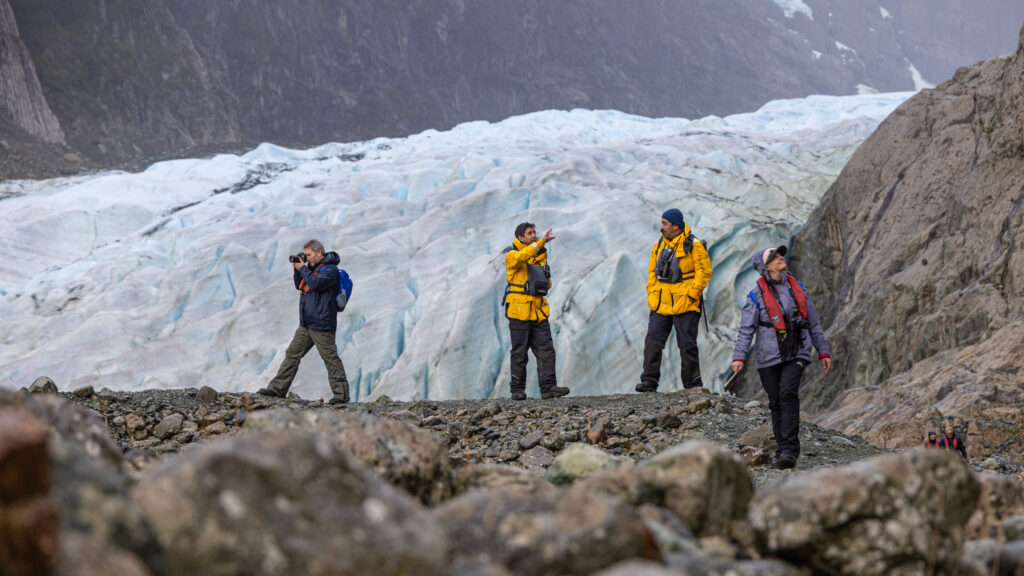
This was the part of Patagonia that completely exceeded expectations.
We visited multiple glaciers throughout the fjords including:
- Pia Glacier
- Garibaldi Glacier
- Surprise Glacier
- Bernal Glacier
- Pio XI Glacier
And every single one felt different.
At Pia Glacier, huge chunks of ice crashed into the water with sounds that echoed like thunder through the fjords.
At Garibaldi Glacier, our zodiac maneuvered through broken ice fields floating across the water while freezing rain hit our jackets.
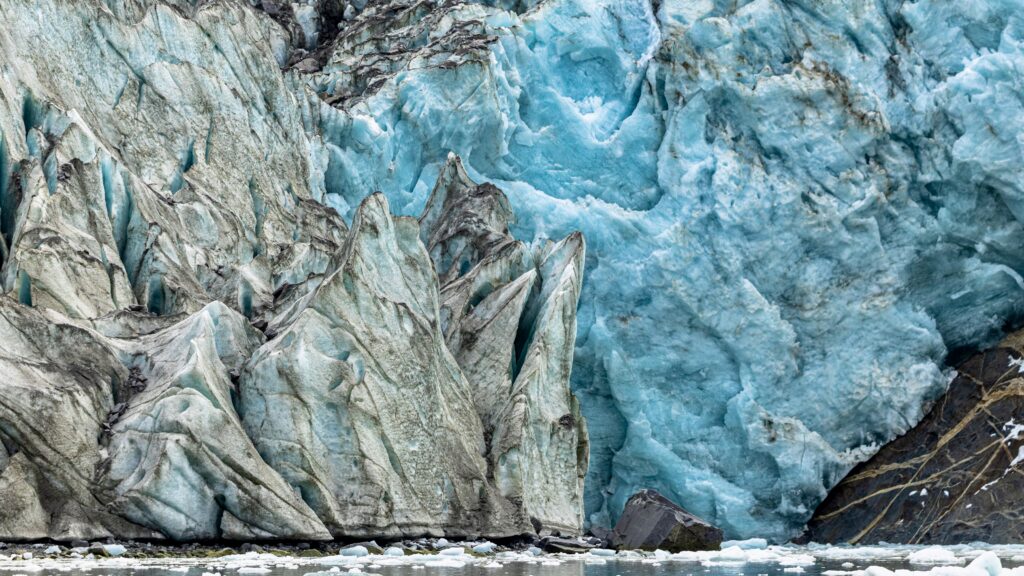
At Bernal Glacier, we were able to hike directly toward the glacier itself through rocky terrain and icy blue landscapes that barely looked real.
And then there was Pio XI Glacier, the largest glacier in South America.
We spent nearly two hours in freezing rain, hail, and wind cruising near the glacier while enormous sections of ice calved into the sea around us.
We were cold.
Completely soaked.
And still talking about it weeks later.
Expedition Travel Means Constantly Adapting
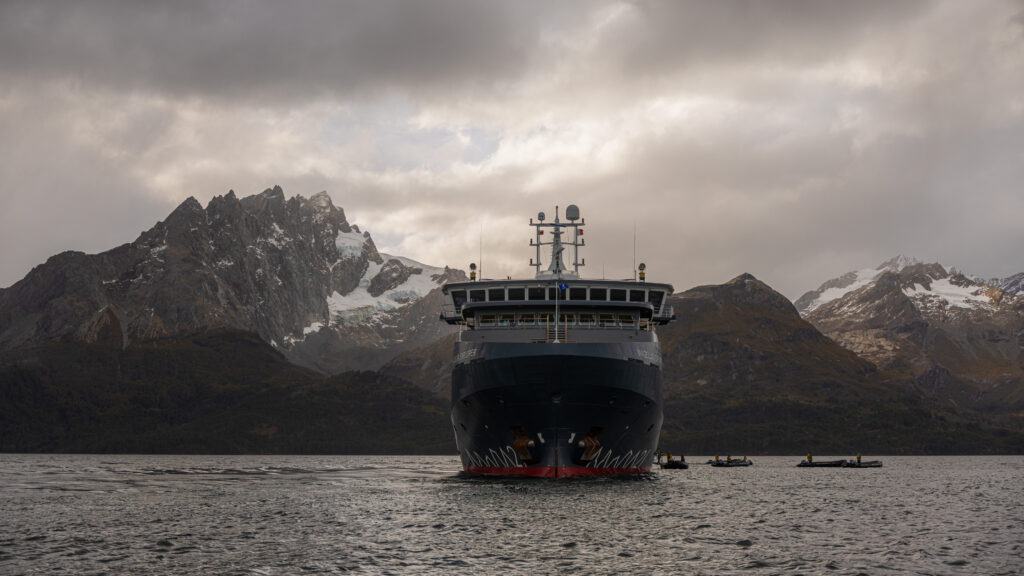
This is probably the biggest thing travelers need to understand before booking an expedition cruise.
Patagonia doesn’t care about your itinerary.
Weather changes constantly.
Wind changes routes.
Excursions shift.
Landings get canceled.
That unpredictability is part of what makes expedition travel feel so different from mainstream tourism.
Some days were calm and sunny.
Other days brought:
- 80+ mph winds
- 5-meter swells
- rough overnight crossings
- hailstorms during excursions
One crossing through the Gulf of Penas lasted nearly 12 hours in brutal conditions, similar to a smaller-scale Drake Passage crossing.
Nobody onboard was pretending expedition travel was glamorous.
But it was memorable.
The Wildlife and Small Human Moments Ended Up Mattering Most
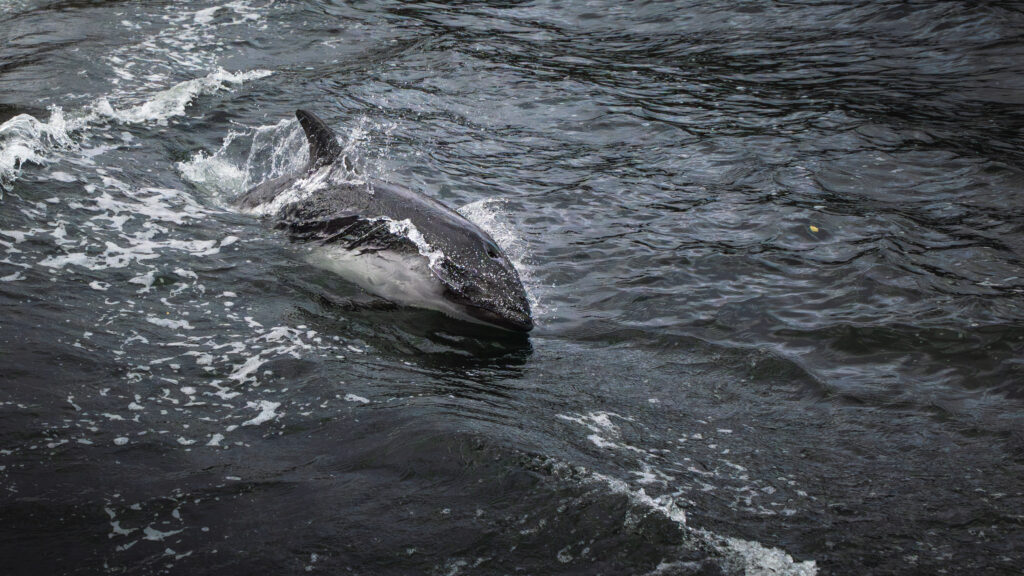
Of course Patagonia’s landscapes were incredible.
But what surprised me most were the smaller moments:
- Magellanic dolphins following our zodiac
- Sea lions resting near cliffs
- Albatross soaring over rough water
- Local music and dancing in tiny villages
- A random village dog acting as our unofficial tour guide
In Caleta Tortel, a tiny village built almost entirely on stilts, we walked wooden pathways lining the mountainside while locals gathered for music and empanadas in the town square.

It felt incredibly far removed from the outside world.
Those quieter moments grounded the trip between all the dramatic scenery.
Puerto Varas and Chile’s Lake District Was the Perfect Ending
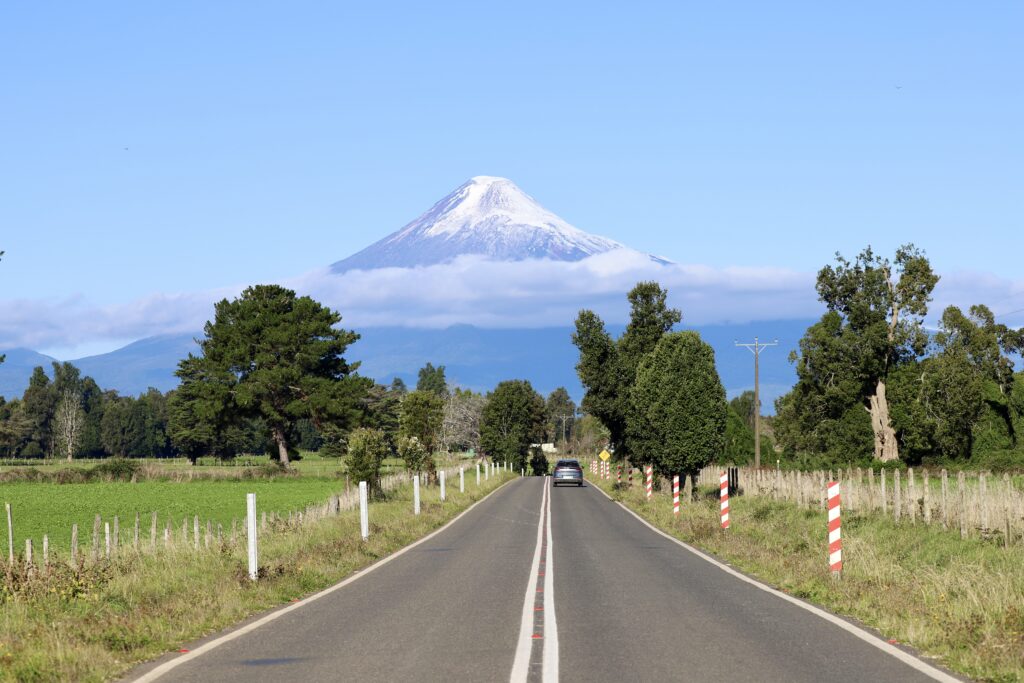
After the intensity of expedition cruising, Chile’s Lake District felt softer and slower.
We stayed at Hotel AWA overlooking Lake Llanquihue with volcano views that looked almost unreal at times.
This region has a heavy German influence, which you notice immediately through:
- architecture
- bakeries
- food
- cultural centers

We visited:
- Petrohué Falls
- Frutillar
- Lagos Todos Santos
- Volcano Osorno viewpoints
- local bakeries and German cultural museums
One thing I appreciated about this area was how approachable it felt compared to Patagonia’s intensity.
You still have incredible scenery, volcanoes, forests, and lakes, but with easier logistics and a slower pace.
It was the perfect decompression after expedition cruising.
Traveling Through Patagonia With My Daughter Made the Experience Even More Meaningful

One of the things I’ll remember most about this trip has nothing to do with glaciers.
One night toward the end of the journey, my daughter Ansley hugged me and thanked me for bringing her on this trip.
After all the rough seas, freezing zodiac rides, muddy hikes, and long travel days, that moment mattered most.
There’s something about Patagonia that strips travel down to the essentials.
Nature.
Weather.
Adventure.
Connection.
And I think sharing that together made the experience even more meaningful.
Final Thoughts: Who Patagonia Expedition Cruising Is Actually For
Patagonia expedition cruising is not for everyone.
If you want:
- predictable schedules
- warm weather
- luxury shopping
- perfect conditions
- polished resort experiences
…this probably isn’t your trip.
But if you love:
- remote landscapes
- active travel
- nature-focused experiences
- wildlife
- unpredictability
- small ships
- immersive travel
…then Patagonia may completely ruin ordinary travel for you afterward.
Because very few places left in the world still feel this raw, this powerful, and this disconnected from mass tourism.
That is exactly why it stays with you. Thinking about Patagonia reach out here!


Comments +